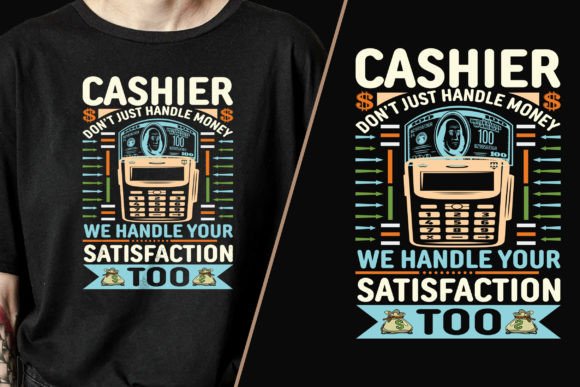
The Cashier Satisfaction Specialists Embroidery Design
From my perspective, after years of embroidering both for clients and my own shop, a design like "Cashier Satisfaction Specialists T-shirt" is a fascinating one to evaluate. It’s not just a graphic; it’s a statement piece. The first impression is one of playful professionalism. The theme is clear and niche, creating a mood of appreciation and lighthearted workplace pride. The layout feels balanced for embroidery, with lettering that likely translates well into satin stitch and central elements that can become focal points.
Where This Design Finds Its True Home
This isn't a generic floral motif. It has a specific personality, and that dictates its best applications. I immediately picture it stitched onto a custom apron for a beloved cafe manager, or on the back of a comfy sweatshirt as a team gift for a retail staff. The "Specialists" wording gives it a sense of crafted skill, making it perfect for personalized products that acknowledge someone's role.
For my craft business, I’d lean toward using it on items with a utilitarian or giftable feel. A sturdy canvas tote bag for a cashier who carries their lunch, or a nicely framed tea towel for a kitchen retail worker. It would shine as a boutique product in a small shop catering to service industries. As an embroidered patch, it could be applied to a cap or a work jacket, adding a layer of custom branding that feels handmade and thoughtful.
The Real-Life Stitching Scenario: A Holiday Gift Tote
Let’s walk through a real case. Imagine I’m preparing a custom embroidered tote bag as a holiday gift for a client who wants to thank their entire front desk team. I’ve chosen a natural cotton canvas bag. My practical judgment for this design starts with size. I’d avoid a very small hoop; the lettering needs space for clarity. On a textured fabric like canvas, I’d use a sturdy stabilizer to ensure the fill stitches in any central graphic elements don’t get lost in the weave.
Thread color contrast is crucial. If the design has lighter details, stitching it on a dark bag would require careful color selection to maintain visual punch. I’d always test it on a scrap of the same fabric first. This reveals how small details, like possible decorative accents around "Satisfaction," will perform. Dense stitch areas need to be managed to prevent puckering on a functional item like a tote that will carry weight.
Navigating the Tricky Fabric Territory
Not every project is a perfect fit. This design, with its likely defined lettering and potential details, requires careful placement on certain materials. On thin or stretchy fabrics like a standard t-shirt, the stitch density must be appropriate to avoid distortion. Embroidering it on a curved surface like a cap requires checking the design’s dimensions against the cap’s crown curve—tiny lettering might get lost on the seam.
For baby items or delicate blankets, I’d consider simplifying the design or using it as a smaller accent, as the theme is more adult-oriented. On dark fabrics, the entire design needs to be evaluated in a black-and-white mockup first to ensure all elements have enough visual separation. This step is a non-negotiable professional habit.
How This Embroidery File Elevates Your Finished Product
A well-executed embroidery of this design does more than decorate fabric. It adds perceived value. For a customer receiving a custom apron with this, it feels uniquely made for them, boosting customer trust in your handmade presentation. For an Etsy seller, it creates a product with clear, relatable appeal for a specific audience, aiding buyer engagement. It supports brand consistency for a small business that services retail clients.
Its giftability is high—it’s recognizably for a specific person or role. That recognition translates into professionalism for the maker. When the stitching is clean and the placement thoughtful, the final product tells a story, which is the ultimate goal of any embroidery project.
Essential Designer Notes Before You Hoop
Before committing this to a client’s sweatshirt or your own craft fair merchandise, run through these practical checks. Confirm the hoop size you intend to use can accommodate the design without cramping elements. Review the stitch density in the embroidery file preview; areas that are too dense can be tough on stretchy apparel. Inspect any small details or corners in the design to see if they’ll require careful thread trimming or adjustments.
Always, always check the provided licensing terms before selling finished items or using the digital embroidery file for commercial embroidery projects. This is a cornerstone of ethical design use. Also, verify the file formats for your specific machine. These details are fundamental and should be clearly provided by the source.
Finally, think about context. This "Cashier Satisfaction Specialists" design is a graphic with a voice. It won’t fit every project, but where it does—on that appreciated employee’s pillow cover, or as a badge of honor on a boutique shop’s staff uniform—it stitches a message of recognition that is both clear and warm. That’s a powerful quality in a machine embroidery design, turning a digital asset into a meaningful, tactile finished product.