Dare to Be Honest: A Trustworthy Embroidery Design
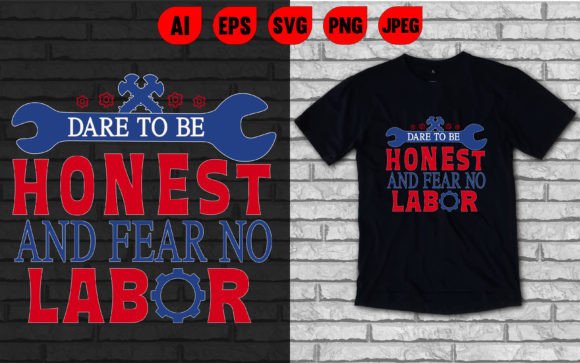
When an embroidery design file lands on my screen, my first question is always practical: Will this look good on a real product? I’m not thinking about pixels; I’m thinking about stitches, fabric texture, and the person who will eventually wear or use it. Today, I’m looking at the “Dare to Be Honest and Fare No Labor” tee design from the point of view of someone who needs to embroider it, not just sell it as a digital file.
The Immediate Mood: Clear, Confident, and Classic
The design presents itself with a straightforward, typographic focus. “Dare to Be Honest” carries a weight of principle, while “Fare No Labor” suggests a reward for integrity. As a phrase, it creates a mood of quiet confidence. It’s not shouting; it’s stating. This is a significant advantage for embroidery. Busy, overly decorative graphics can become muddy in thread. This design, by leaning on strong lettering, promises clarity. The layout feels balanced, giving the embroidery machine a clear path to follow. It’s a design that whispers “professional” rather than screams “novelty.”
Where It Finds Its Best Home: Real Project Scenarios
I immediately picture this on a medium-weight cotton tote bag. It’s a perfect project for a small business owner making custom merchandise. The message aligns with a brand that values transparency. Stitched in a classic navy or charcoal thread on a natural canvas bag, it would look sharp and feel substantial. For a crafter making personalized gifts, imagine it on the chest of a high-quality sweatshirt—a gift for a mentor or a colleague. The sentiment is universally appreciable without being overly sentimental.
It would also work beautifully as a framed piece of embroidered art, or on a kitchen towel for a home cook who takes pride in honest, good work. I’d be cautious about putting it on delicate baby clothes simply because the message is more mature, but it could be wonderful on an apron for a craftsperson or a patch sewn onto a work jacket. The design’s personality is best suited for products that imply effort, value, and trust.
When This Design Would Elevate Your Product
- Custom Apparel for Small Shops: A simple, well-embroidered tee or sweatshirt with this message can feel more premium than a printed one.
- Boutique Branding: Embroidered on staff uniforms or store merchandise, it reinforces a business ethos.
- Personalized Gifts for Professionals: A tote bag, pillow cover, or tea towel for someone retiring or starting a new venture.
- Craft Fair Standouts: Among printed items, an embroidered product with this clean design often attracts buyers looking for durability and craftsmanship.
The Practical Stitching Considerations
Moving from the screen to the hoop is where designs are truly tested. For “Dare to Be Honest,” the typography means lettering detail is key. Test this design on scrap fabric first. You need to check the stitch density, especially in the potential fill areas of the letters. Too dense, and it will be stiff on a t-shirt; too sparse, and it will look thin on a tote. The clarity of the words depends on your thread color contrast. Against a light fabric, a dark thread will make it pop. On dark fabric, you’ll need a sufficiently bright or metallic thread to maintain legibility.
Stitch type matters. If the design uses satin stitches for the letters, they’ll have a beautiful sheen but require good stabilizer on stretchy fabrics like tee shirts. If it’s primarily a running stitch outline, it will be more forgiving on textured fabrics like caps or curved surfaces, but you must inspect those small details and corners. Hoop size is a silent partner here. Ensure your chosen hoop can accommodate the entire design without crowding the edges, which can distort the layout.
Where to Exercise Caution
- Very Small Hoop Sizes: Trying to shrink this for a tiny patch might compress the lettering, reducing readability.
- Thin or Stretchy Fabrics: Without the correct stabilizer, the embroidery could pucker or distort the garment.
- Highly Textured Backgrounds: On a thick sweater or a nappy blanket, the fine details of the text might get lost.
- Products for Frequent Washings: For items like kitchen towels or baby bibs, ensure the stitch structure is robust enough to handle wear.
The Impact on Your Customer and Your Craft
How does this design translate into value? A clean, well-executed embroidery of this phrase on a product signals care. It boosts the perceived handmade presentation. For a customer, it feels like a product with intention—not just another graphic tee. This builds customer trust in your craft business. It’s giftable because the message is meaningful without being specific to a single holiday or event.
For brand consistency, if your shop’s theme revolves around integrity, quality, or classic craftsmanship, this design becomes a coherent asset. It helps with buyer engagement because it invites a moment of reflection. Someone might buy it because it resonates with their personal ethos, not just because it’s cute. That’s a stronger connection.
Essential Designer Notes Before You Stitch
Before you commit this to a client’s order or your own inventory, run through this quick checklist. It’s the routine that separates a successful project from a frustrating one.
- Scrap Fabric Test: Always. Check for puckering, thread coverage, and overall appearance.
- Color Contrast Check: See it in both black and white mockups. How does it look on light vs. dark backgrounds?
- Detail Inspection: Zoom in on the design file. Are there any tiny junctions or corners that might challenge your machine?
- Hoop and Stabilizer Match: Confirm your planned hoop size and choose a stabilizer appropriate for your final fabric.
- Licensing Clarification: The product description mentions use for platforms like Merch By Amazon. Always confirm the specific licensing terms of the design file itself before using it for commercial embroidery projects or selling finished items. Know your rights.
- Final Product Vision: Hold the scrap test in your hand. Does it look like the premium product you intend to sell or gift?
The “Dare to Be Honest and Fare No Labor” tee design, as a graphics file, holds real potential for embroidery. Its strength is its straightforward, confident typography, which translates well into thread. It’s a design that belongs on products that carry weight—both in fabric and in meaning. By approaching it with these practical considerations, you can turn a digital asset into a finished product that truly honors the honest labor of your own craft.