Partying Like It's 1776: A Designer's Embroidery Review
First Look: A Design That Breathes Celebration
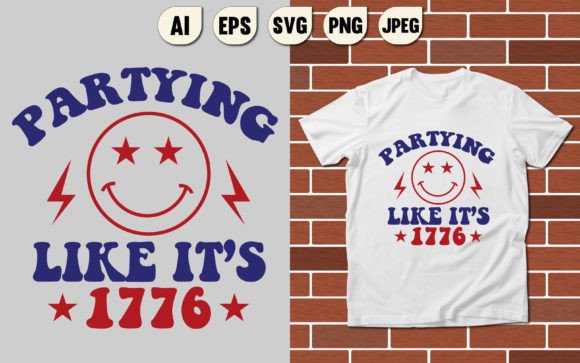
From a designer’s perspective, the Partying Like It’s 1776 embroidery design immediately evokes a playful, historical celebration. It’s not a rigid, formal patriotic motif; it has a lively, typographic personality that feels like a wink to the past. The layout, with its bold central statement and inherent graphic style, translates perfectly into the realm of stitchwork. This isn’t just a T-shirt graphic; it’s a ready-made narrative for embroidery projects. When I picture it stitched out, I see a design that would work beautifully on a range of handmade products, from a custom embroidered sweatshirt for a July Fourth barbecue to a cheeky patch on a denim jacket.
Where This Design Thrives in Real Projects
Let’s get practical. Imagine you’re preparing a batch of custom tote bags for a local craft fair ahead of Independence Day. The Partying Like It’s 1776 design is a perfect candidate. Its graphic nature means the stitch density can be managed well on bag fabric, and the clear typography ensures readability from a distance. I’ve found designs like this excel on aprons, pillow covers, and kitchen towels—items where a bit of humor adds value. For small business merchandise or Etsy listings, it creates a recognizable, gift-ready product. It would also make a fantastic personalized gift, like an embroidered baby onesie for a newborn with a patriotic name, adding a unique, handmade touch.
The Sweet Spot: Apparel and Home Goods
This design naturally belongs on custom apparel. A well-embroidered cap or the chest of a polo shirt would look sharp. On a sweatshirt or heavyweight t-shirt, the fill stitches for the lettering would have a satisfying, substantial feel that enhances the product’s perceived value. For craft business owners, this kind of design boosts customer trust through its handmade presentation—it looks intentional and professional, not slapped on.
Caution Areas: Thoughtful Application Matters
Like any embroidery file, success depends on thoughtful application. The Partying Like It’s 1776 design, with its likely detailed lettering, requires careful handling on certain surfaces. On very small hoop sizes, the finer details might lose clarity. I’d be cautious with textured fabrics like some terry cloth or loosely woven linens, as the text definition could soften. Stretchy fabric always demands proper stabilizer and testing. Embroidering this on a curved surface, like the crown of a cap, needs a well-digitized file to avoid distortion in the typography.
Consider the background, too. On dark fabric, you’ll need excellent thread color contrast—perhaps a bright white or metallic gold to make it pop. For items needing frequent washing, like baby clothes or tea towels, ensuring the stitch coverage is dense enough to withstand wear is key. This isn’t a design I’d recommend for tiny, intricate corners on a complex nursery decor item unless the scale is increased significantly.
Visual Appeal and Buyer Engagement
When stitched well, this design has high visual appeal. It’s conversational. It invites a smile, which directly affects buyer engagement at a craft fair or in an online shop photo. For digital product sellers offering this as a digital embroidery file, its clear personality makes for strong printable mockups that sell the idea. It supports brand consistency for a shop specializing in humorous or patriotic craft business items. As a holiday embroidery piece, it’s giftable and timely, increasing its perceived value.
Stitching Clarity and Professionalism
The clarity of the stitching will define its success. Well-executed satin stitches on the lettering or clean running stitch outlines would give it a crisp, professional finish that separates a hobby project from a sellable product. This attention to detail directly builds customer trust and reinforces your reputation as a skilled maker.
Practical Notes Before You Hoop It Up
Before running this on a client’s custom embroidered tote bag or your own small shop product, here are my grounded, friendly recommendations. Always test the design on scrap fabric first. Use the same material you plan for the final product. This tells you everything about stitch density, potential puckering, and how the details translate. Check thread color contrast by stitching a sample on both light and dark backgrounds. Review small details in the design file to ensure no elements are too fine for your chosen hoop size.
Since the provided description mentions it’s for T-shirt and graphic use, please confirm the licensing terms before selling any finished product or commercial embroidery project. Ensure it’s cleared for commercial embroidery use. Also, inspect the file itself for any specific requirements. Does it include an applique design element? Knowing this changes your material prep. Finally, consider how it fits into your portfolio. Does Partying Like It’s 1776 complement your other design assets? A cohesive collection attracts repeat customers.
Final Thoughts: A Design Ready for Celebration
The Partying Like It’s 1776 embroidery design is more than a digital file; it’s a spark for creative projects. From my viewpoint, it’s ideally suited for makers who want to inject fun and historical cheek into their work. Whether you’re an Etsy seller preparing for the holiday season or a hobbyist making personalized gifts, this design, when stitched with care on appropriate fabrics and products, will deliver a charming, engaging finished piece. It reminds us that embroidery can be bold, playful, and perfectly party-ready—even if the party is from 1776.