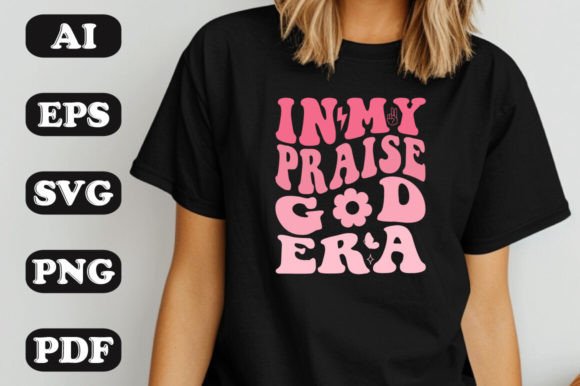
In My Praise God Era: A Designer’s Honest Review
The First Impression: Quiet Confidence and Modern Faith
When I first opened the In My Praise God Era Svg file, my immediate thought was that this design has a very contemporary, personal feel. It’s not a loud, declarative statement; it’s more like a quiet affirmation. The layout feels balanced, and the phrasing has a relatable, almost diary-like quality. As an embroidery designer, I can see this translating beautifully into thread. The typography is clean without being overly simplistic, suggesting it will stitch out with clarity. This isn’t a design for a massive, ornate banner; it belongs on something personal, something worn or used close to the body.
A Natural Fit for Handmade Gifts and Boutique Apparel
I picture this design on a soft, washed cotton sweatshirt or a canvas tote bag for a friend. It feels like a design you’d create for a personalized gift—something for a baby’s keepsake blanket, a cozy pillow cover in a nursery, or a simple kitchen towel in a homemaker’s collection. For small business owners, like Etsy sellers or craft fair vendors, this embroidery design offers a product with inherent meaning. It speaks to a specific mood and moment, which is exactly what drives sales in the handmade market. A customer isn’t just buying a graphic; they’re buying a sentiment they want to carry with them.
Thinking Through Real Embroidery Projects
Let’s walk through a real scenario. I’m preparing a custom embroidered tote bag for a client’s boutique. They want something uplifting and modern for their faith-based merchandise line. I load the In My Praise God Era Svg into my software. The included file formats—SVG, PNG, PDF—are crucial here. The SVG allows for clean scaling, which means I can adjust it perfectly for the bag’s panel without losing detail.
My practical judgment starts with the stitch density. Designs with very thin lettering or tiny decorative accents can become muddy on textured fabrics like canvas. This design’s lettering appears robust enough to hold up. However, I would absolutely advise testing it on scrap fabric first, especially if you plan to stitch it on a stretchy fabric like a t-shirt or a curved surface like a cap. On a cap, the curvature can distort smaller elements, so checking the stitch clarity on a similar surface is a non-negotiable step.
Where This Design Excels and Where to Be Careful
For custom apparel like sweatshirts, hoodies, or baby items, this design is a strong contender. It adds value through its message, enhancing the handmade product’s appeal. It would also make a lovely embroidered patch, offering versatility. However, be mindful of the fabric background. On very dark fabric, you’ll need to ensure your thread color choices provide strong contrast—a bright white or a metallic thread might be necessary to maintain the design’s visual personality. Also, for products destined for frequent washing, like aprons or tea towels, reviewing the stitch density is key. Too dense an area can become stiff; a well-digitized file should account for this, but you must confirm the file’s performance yourself.
The Impact on Your Craft Business
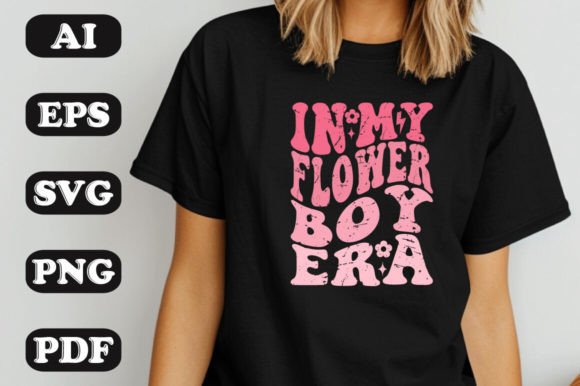
Using a design like In My Praise God Era Svg affects more than just the stitching. It influences customer trust and your brand’s consistency. If you’re a digital product seller offering this as part of a craft business, providing clean files (as this product does with AI, EPS, SVG, PNG, and PDF) is essential for your buyers’ success. For those creating finished products, a clean stitch-out signals professionalism and care, which directly boosts buyer engagement. A well-executed embroidery on a holiday gift or wedding gift feels thoughtful and high-quality.
For commercial embroidery projects, perhaps for a small shop’s merchandise line, this design offers recognition. It’s a clear, readable statement that resonates with a specific audience, making it a good choice for branding a boutique’s faith-inspired line. It also works beautifully for printable mockups in your digital store, allowing customers to visualize the final product easily.
Practical Designer Notes Before You Hoop the Fabric
- Always test the embroidery file on a scrap of your intended fabric first. Check for thread tension and stitch clarity.
- Review the design in both black and white mockups to gauge its performance on light and dark backgrounds.
- Consider the hoop size required. For smaller items like baby clothes or caps, ensure the design scales appropriately without losing detail in the corners.
- Use the proper stabilizer for your fabric type—this is especially important for thin or stretchy fabrics to prevent puckering.
- Inspect the small details in the file preview. Are there any tiny elements that might blend into a fill stitch or become lost in a satin stitch? Knowing this ahead of time saves a project.
- Most importantly, confirm the licensing terms. Before selling finished items or using this as a digital embroidery file in your own shop, you must know if it’s cleared for personal and commercial use. The product description lists the files, but the license details are something you need to verify independently.
Final Thoughts: A Design with Heart and Utility
The In My Praise God Era Svg strikes me as a design with both heart and utility. It carries a mood that fits contemporary faith expression, and its clean construction suggests it will translate reliably into thread. For makers and entrepreneurs, it’s a design that can anchor a line of personalized gifts or bolster a boutique’s offerings. Its true value, however, will be proven in your hands—on your machine, with your chosen thread and fabric. Approach it with the practical steps I’ve outlined, and you’ll likely find it becomes a trusted asset in your portfolio of embroidery projects, creating finished products that feel both meaningful and professionally made.