Evaluating In My Stoner Mama Era SVG for Real Embroidery
The First Impression: Personality and Project Potential
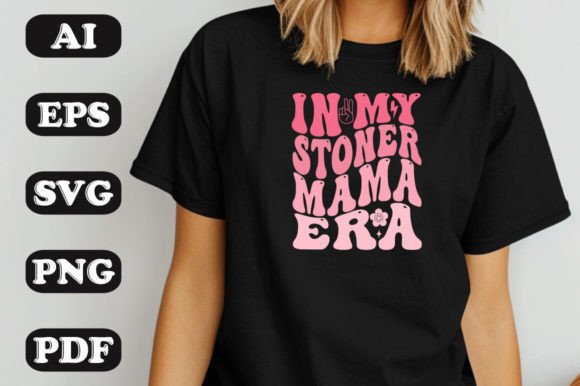
When I first open an embroidery file for review, I’m looking for that immediate spark—the kind of design that tells me exactly what it wants to be. In My Stoner Mama Era SVG delivers that straight away. It’s not just text; it’s a mood. The casual, playful phrasing and the relaxed layout feel perfectly suited for a contemporary, light-hearted project. This isn’t a formal, symmetrical design. It’s conversational, which gives it a handmade, personal touch right from the digital stage.
The design naturally suggests a few key applications. Think of a cozy, well-loved sweatshirt, a durable canvas tote bag for a friend, or even a cheeky kitchen towel for a boutique. Its vibe is gift-oriented and personal. I immediately picture it on textured fabrics where the embroidery can really pop as a focal point. For crafters and small business owners, this is a design that speaks to a specific, relatable sentiment, which is a great starting point for a product that feels authentic rather than generic.
Putting the Design Through the Embroidery Machine
In practical terms, translating a digital file like In My Stoner Mama Era SVG into stitches requires some forethought. The lettering style and the potential for decorative accents mean stitch density and clarity are paramount.
For a standard project like a custom embroidered sweatshirt or tote, this design should perform well. The provided file formats, including SVG and EPS, are typically clean for machine embroidery conversion, allowing for smooth satin stitch or fill stitch application on the text. However, the real test comes with the details. On a dark fabric, you’ll need to ensure your thread color choices have strong contrast—a bright, crisp white or a pastel might work beautifully to maintain that playful feel.
I’d recommend a mid-range hoop size for this. Too small, and you risk compressing the personality of the layout; too large on a delicate garment, and it might overwhelm the fabric. A good rule is to test it on scrap fabric first, using the same stabilizer you plan for the final project. This lets you check how small details, if any, translate and whether the stitch count feels right for the fabric weight.
Where This Design Finds Its Best Home
Some embroidery designs are versatile; others are specialists. In My Stoner Mama Era SVG leans toward the latter, and that’s a strength. It’s ideal for:
- Personalized gifts: Embroidered pillow covers or blankets for a friend who would appreciate the humor.
- Small shop merchandise: As a standout piece on an apron or a tea towel in a quirky home goods boutique.
- Custom apparel: Naturally, as a t-shirt design, but also as a focal point on the back of a denim jacket or a cap.
- Embroidery patches: This could make a fantastic, standalone patch if stitched on a robust fabric like felt or duck cloth, then applied to a bag or jacket.
The key is pairing it with a product that matches its casual, confessional tone. It wouldn’t feel right on a formal blazer, but on a relaxed weekend hoodie? Perfect.
Caution Zones: Considerations for a Perfect Stitch
Every design has its considerations, and a successful embroidery project means anticipating them. For In My Stoner Mama Era SVG, here are my practical notes:
First, fabric texture and stretch. If you’re considering a thin, stretchy t-shirt, you’ll need excellent stabilizer and possibly a lighter stitch density to prevent puckering and maintain the design’s clarity. On highly textured fabrics like some sweaters, the lettering might lose some sharpness; a simpler fill stitch might be preferable to a complex satin stitch here.
Second, scale on curved surfaces. If you’re planning to put this on a cap, the curved crown can distort linear designs. You might need to adjust the layout slightly or choose a placement like the flat front panel to keep the reading natural.
Third, and crucially for business use, background contrast. Always test this embroidery file in both black and white mockups. How does it look on a light heather gray sweatshirt versus a dark charcoal? This isn’t just about aesthetics; it affects product value and customer trust. A design that looks crisp in your Etsy listing photo needs to look crisp on the delivered product.
The Designer’s Checklist Before Hooping
- Run a test on scrap fabric that mimics your final product’s weight and texture.
- Check thread color contrast against your actual garment color, not just a digital preview.
- Confirm your machine’s compatibility with the provided file formats and your preferred hoop size.
- Inspect the design for any tiny details or corners that might require a slower stitch speed or a needle change.
- For commercial projects or selling finished items, always confirm the licensing terms for the digital embroidery file. Does it allow for physical product sales? This is essential for Etsy sellers and small shop owners.
Why This Design Works for Makers and Businesses
Beyond the technical, In My Stoner Mama Era SVG offers something valuable for creative entrepreneurs: clear audience appeal. When a design has a strong personality, it helps your finished product tell a story. A customer browsing your handmade shop or seeing a custom embroidered tote bag at a craft fair immediately gets a sense of the person it’s for. That connection boosts engagement and giftability.
For brand consistency, if your shop vibe is modern, friendly, and a little irreverent, this design asset fits right in. It looks professional when stitched well because the concept is strong. It’s not a clip-art sentiment; it’s a contemporary phrase that feels genuine. That authenticity translates into a finished product that people are more likely to cherish—or purchase.
Ultimately, reviewing a design like this comes down to one question: will it become a beloved, well-made item after it leaves my machine? With the right fabric, thoughtful setup, and a project that matches its playful spirit, In My Stoner Mama Era SVG absolutely has that potential. It’s a reminder that good embroidery design isn’t just about perfect stitches; it’s about stitching a feeling.